When building a new home, most people focus on the design, layout, and finishes. But what truly determines how well a home performs over time is something less visible: quality control during the build. Strong quality control is the difference between a home that simply looks good on handover day and one that remains safe, durable, and low-maintenance for decades.
Quality control is not a single inspection at the end of construction. It is a continuous process that starts before the first dig and continues through to final handover.
Quality Starts Before Construction
Effective quality control begins at the planning stage. Clear documentation, accurate drawings, engineering details, and well-defined specifications reduce ambiguity on site. When builders and trades understand exactly what is required, the risk of mistakes, shortcuts, or rework is significantly reduced.
Early coordination between designers, engineers, council requirements, and builders ensures that the build is compliant and constructible from day one.
On-Site Quality Control at Every Stage
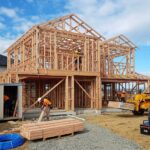
During construction, quality control is about doing things right the first time. This includes:
- Verifying foundations and groundworks are built exactly to engineer’s specifications
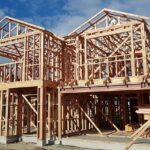
- Checking framing for accuracy, bracing, and alignment before lining goes on
- Ensuring waterproofing, flashings, and moisture protection are installed correctly
- Monitoring workmanship across all trades — plumbing, electrical, cladding, and interior finishes
Many defects occur because issues are hidden too early. Regular site checks ensure problems are identified while they are still visible and easy to fix.
Compliance and Council Inspections
In New Zealand, council inspections are mandatory at critical stages. However, relying solely on council inspections is risky. Council inspectors assess compliance, not overall workmanship quality.
Good builders carry out internal quality inspections before council visits. This reduces failed inspections, avoids delays, and keeps the build programme on track. Passing inspections smoothly is a strong indicator of a well-managed build.
Preventing Costly Defects and Delays
Poor quality control often leads to rework, delays, and budget blowouts. Fixing an issue after linings are installed or finishes are complete is far more expensive than addressing it early.
Common long-term issues such as water ingress, cracking, uneven floors, or poor insulation performance are usually the result of inadequate quality control during construction — not poor design.
Strong quality control protects both the homeowner and the builder by minimising disputes, defects, and future maintenance issues.
Quality Control and Warranties
Quality control is also closely linked to warranties. Builders offering long-term guarantees, such as the Master Build 10-Year Guarantee, must demonstrate strong systems, compliance, and workmanship standards.
Additionally, a structured maintenance period (commonly 12–24 months) allows minor settlement-related issues to be addressed, reinforcing confidence that the home was built properly from the ground up.
Why It Truly Matters
A home is one of the biggest investments most people will ever make. Quality control ensures that investment is protected. It delivers peace of mind, smoother construction, fewer surprises, and a home that performs as intended — not just at handover, but well into the future.
At the end of the day, quality isn’t accidental. It’s planned, monitored, and delivered — step by step, throughout the build.