
January 7, 2026
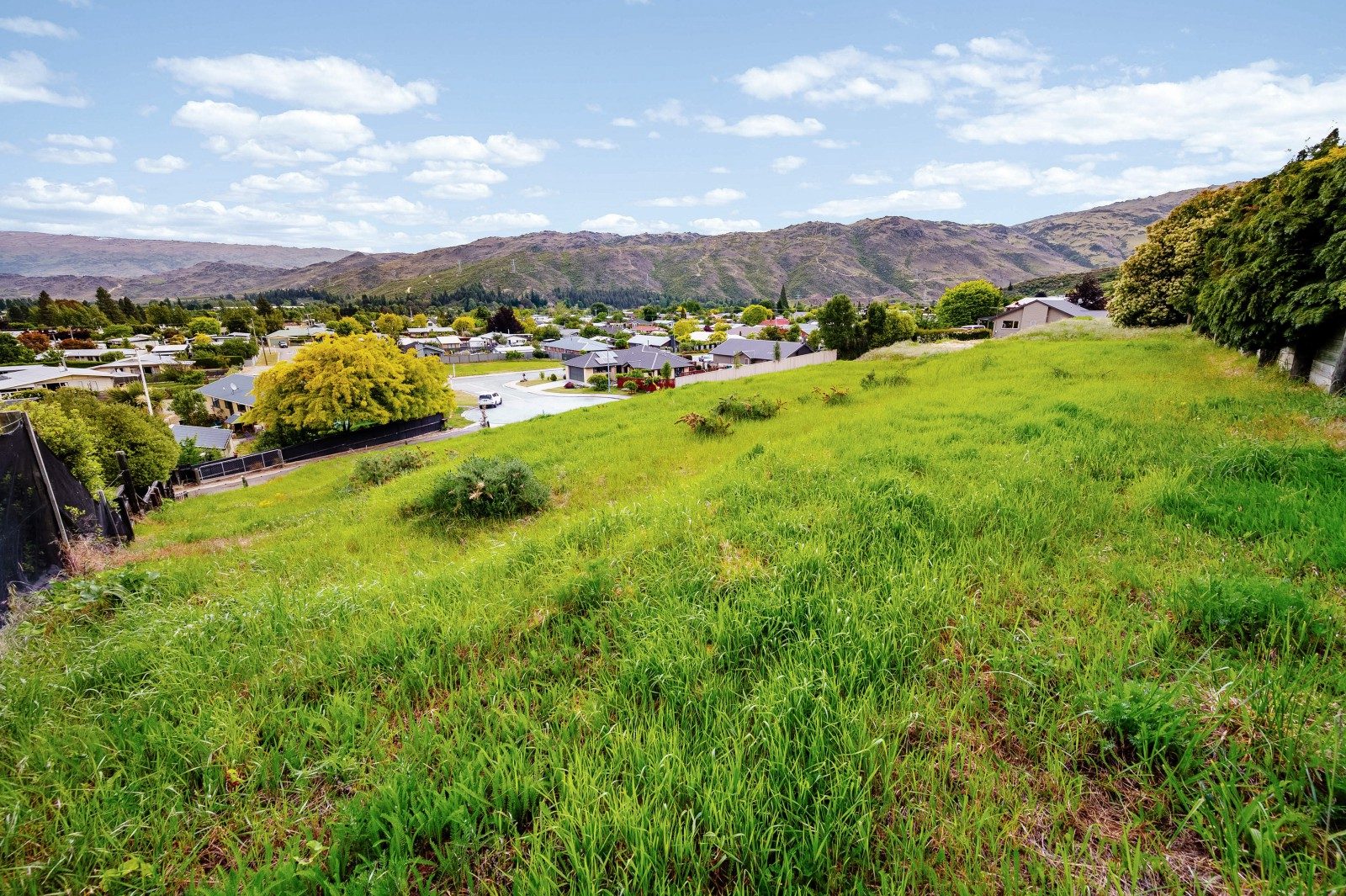
Rebuilding on a sloped section can unlock incredible potential—stunning views, better natural light, and smarter use of land. However, compared to flat sites, slope builds require careful planning, technical expertise, and the right construction partner. From consents and earthworks to retaining walls and long-term warranties, here’s a clear guide to what’s involved when you demolish and rebuild on a sloping site.
1. Demolition & Early Site Investigations
The process begins with demolition of the existing structure, followed by detailed site investigations. On sloped land, this step is critical. Geotechnical reports assess soil conditions, stability, and groundwater levels, while surveyors confirm site levels and boundaries. These reports guide engineering decisions and ensure the rebuild is safe, compliant, and cost-effective from day one.
2. Consents: Building and Resource Approvals
Slope sites often require more comprehensive consent approvals. In addition to building consent, a resource consent may be required for earthworks, retaining walls, height-to-boundary rules, or stormwater management.
Council reviews will focus on:
- Land stability and drainage
- Structural integrity of retaining systems
- Environmental and neighbouring property impacts
- Working with an experienced builder who understands council processes can significantly reduce delays and unexpected costs.
3. Earthworks & Site Preparation
Earthworks are one of the biggest cost drivers on sloped sections. This stage includes excavation, cut-and-fill operations, soil removal, and ground compaction to create safe building platforms.
Proper earthworks ensure:
- Stable foundations
- Effective stormwater control
- Reduced long-term maintenance issues
- Cutting corners here can lead to movement, drainage problems, and costly repairs later.
4. Retaining Walls: Structural & Visual Impact
Retaining walls are often essential when building on a slope. Depending on height and load, these may be timber, concrete, or engineered block systems. Taller or load-bearing retaining walls require structural engineering design and council inspections.
Beyond stability, retaining walls can be integrated into landscaping, driveways, and outdoor living spaces—adding both functionality and visual appeal to the final build.
5. Smart Design for Sloped Sections
Design plays a crucial role in controlling costs and maximising value. Split-level homes, stepped foundations, and garage-under designs are common solutions that work with the land rather than against it.
Good slope design can:
- Reduce excessive earthworks
- Capture views and sunlight
- Improve indoor-outdoor flow
- Increase resale and long-term value
- A well-designed home will feel intentional—not forced onto the land.
6. Building the Home
Once the site is prepared, construction follows a similar process to any new build—foundations, framing, cladding, services, and finishes. However, slope builds demand precise coordination between engineers, builders, and inspectors to maintain structural integrity throughout the project.
Choosing an experienced new-home builder is essential to ensure quality workmanship and on-time delivery.
7. Peace of Mind with Warranties
A reputable builder should provide strong protection for slope builds. At 3C Homes, every new home comes with a Master Build 10-Year Guarantee, covering structural elements and weather-tightness, along with a 24-month maintenance warranty to address any minor post-handover issues.
Demolishing and rebuilding on a sloped section is a complex but rewarding journey. With the right planning, expert design, and an experienced builder, a challenging site can be transformed into a stunning, high-performing home.
If you’re considering a demolish-and-rebuild on a sloping section, partnering with a team that understands consents, earthworks, engineering, and long-term protection makes all the difference. The right approach ensures your new home is not only beautiful—but built to last.