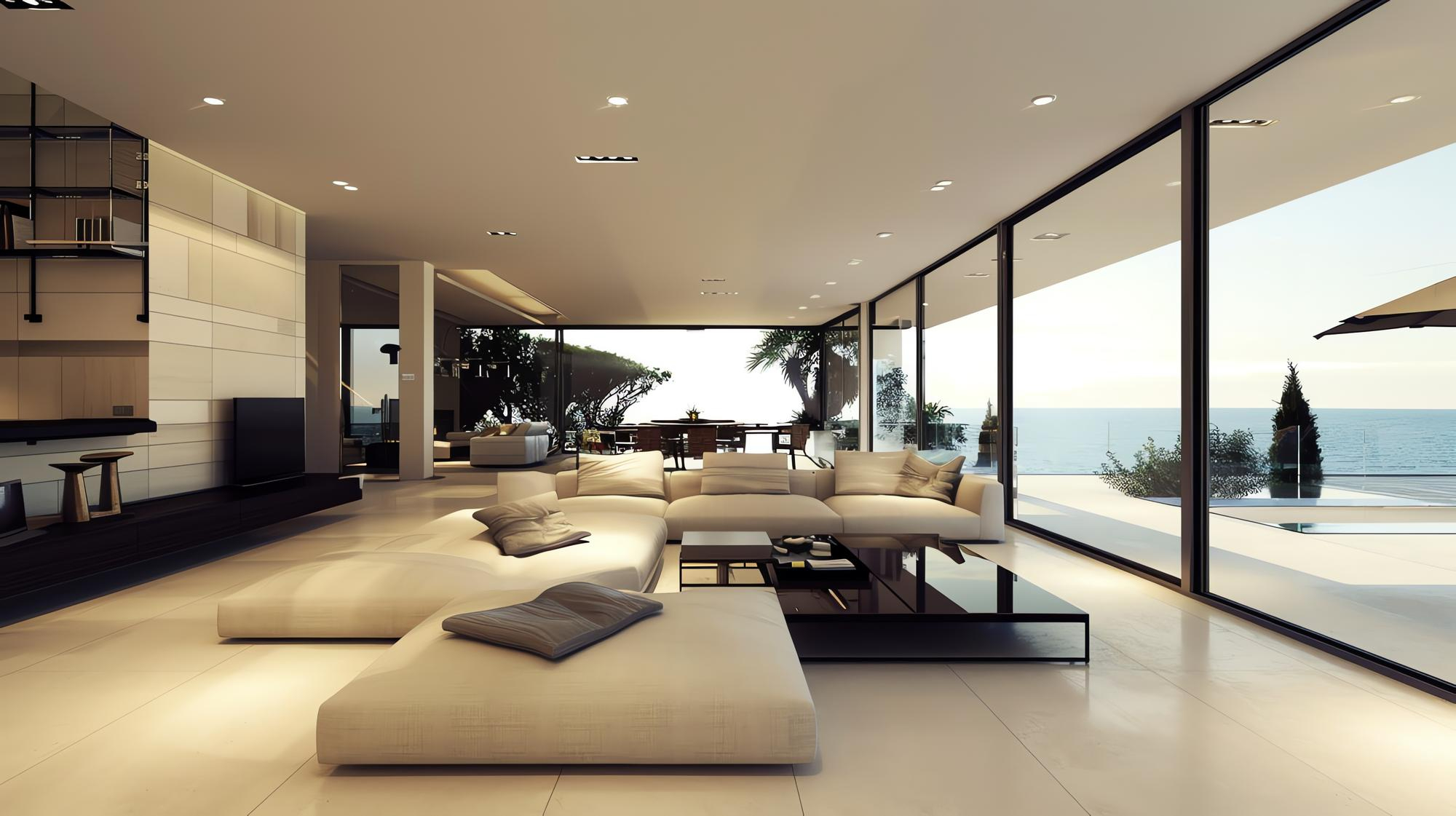
Luxury is a word that gets thrown around a lot in the building industry. But true luxury—the kind that 3C Homes has been crafting in Auckland since 2010—is not about sticking a few high-end taps into a standard design. It is about a holistic approach where every element, from the foundation to the finials, is considered, curated, and crafted to perfection.
If you are ready to build a home that stands in a class of its own, here is a comprehensive guide to every feature a luxury home should have.
1. The Site and Setting
Before a single brick is laid, a luxury home must respect and respond to its environment.
- Orientation and Aspect: A luxury home is meticulously positioned on its site to capture all-day sun, frame views and provide natural shelter from prevailing winds. It doesn’t fight the site; it collaborates with it.
- Landscaped Grounds: The exterior is an extension of the home. This means mature planting, automated irrigation systems, outdoor lighting, and hardscaping (like stone pathways and retaining walls) that complements the architecture.
- Privacy: Luxury means seclusion. Whether through strategic planting, fence lines, or the placement of the home itself, you should feel removed from the world the moment you enter your property line.
2. The Architectural Shell
The structure itself must exude quality and permanence.
- High Stud Ceilings: Standard homes feel boxy. Luxury homes breathe. Look for ground-floor ceiling heights of 3 meters or more, creating a sense of volume and grandeur.
- Structural Integrity: Luxury homes often use materials like reinforced concrete, structural steel, or solid timber posts to achieve open-plan spans that standard timber framing cannot. This allows for massive windows and uninterrupted living spaces.
- Roofing: Beyond standard color steel, luxury homes might feature standing seam metal roofs (which are more durable and sleek) or architectural concrete tiles. The gutters are often concealed (hidden behind the cladding or within the parapet) for a clean, minimalist look.
- Thermal Mass: Features like polished concrete floors or internal brick walls absorb heat during the day and release it at night, stabilizing the internal temperature naturally.
3. The Building Envelope (Cladding and Insulation)
This is where luxury meets performance. The skin of the home must be beautiful, but it must also protect the family for decades.
- Premium Cladding Materials: Think beyond standard weatherboard. Luxury homes feature:
- Natural Stone: Schist, limestone, or granite veneers create a timeless, solid feel.
- Brick in Complex Patterns: Not just standard stretcher bond, but herringbone, stack bond, or used in combination with other materials.
- Vertical Timber or Shiplap: Used in a contemporary way to draw the eye upward.
- Metal Cladding: Zinc or copper look (or the real thing) for a modern, industrial edge that patinas beautifully over time.
- Rendered Hebel Panels: For a monolithic, European-style finish that is also fire-resistant and durable.
- The Cavity System: Every cladding is installed over a drained and ventilated cavity. This is non-negotiable for moisture management in the New Zealand climate.
- Beyond-Code Insulation: Luxury homes far exceed the building code. This means double-glazing is a given, but also:
- Acoustic Insulation in all internal walls (especially around bedrooms, bathrooms, and home theatres).
- High R-Value Insulation in ceilings and walls, potentially including rigid air barriers to eliminate drafts.
- Thermally Broken Aluminum Joinery or uPVC windows to prevent cold bridging where the frame meets the glass.
4. The Heart of the Home: The Kitchen
The kitchen in a luxury home is a showpiece. It is a blend of sculpture and science.
- Substantial Island: A large, unbroken island bench is the centerpiece. It should be deep enough for seating on one side and food prep on the other.
- Natural Stone Surfaces: Marble, quartzite, or high-end engineered stone. The slabs should be book-matched (where the veins of the stone mirror each other) for a dramatic effect.
- Integrated Appliances: Dishwashers, fridge-freezers, and even coffee machines are hidden behind cabinetry panels for a seamless look. The ovens and hobs are often separate—wall ovens at eye level and an induction or gas hob in the island.
- Butler’s Pantry (or Scullery): A true luxury home hides the mess. A butler’s pantry houses the second dishwasher, the toaster, the kettle, and all the food storage, allowing the main kitchen to remain pristine.
- Feature Rangehood: Often a sculptural element in itself, either a massive stainless steel statement piece or a discreet downdraft system that rises from the bench.
- Soft-Close Everything: Every drawer and cupboard, without exception, should glide shut silently.
5. The Private Realm: Bathrooms and Ensuites
A luxury bathroom is a spa-like retreat.
- Wet Room Showers: Large format, walk-in showers with no lip or step. They often feature rain shower heads, hand-held wands, and body jets.
- Freestanding Tubs: A sculptural freestanding bath positioned to take in a view or as a focal point of the room.
- Heated Floors: Electric under-tile heating takes the chill off winter mornings.
- Hotel-Quality Finishes: Wall-hung vanities (which make the floor easier to clean and look sleek), backlit mirrors, and high-end tapware in finishes like brushed brass, matte black, or polished chrome.
- Porcelain or Large-Format Tiles: Minimal grout lines create a seamless, clean look. Tiles often run from floor to ceiling and continue into the shower niche.
6. Master Suite
The master bedroom is a sanctuary, separate from the rest of the house.
- Generous Proportions: Enough space for a super-king bed, armchairs, and a dresser without feeling cramped.
- His and Hers Walk-in Robes: Dedicated, well-lit dressing rooms with custom joinery for shoes, ties, and accessories. A central island for jewelry is a high-end touch.
- Direct Outdoor Access: A sliding door leading to a private patio or deck for morning coffee.
- The Ensuite Connection: A luxury master suite flows seamlessly into the ensuite, often via a “wet room” concept or pocket doors.
7. Flow and Connection
Luxury living is about how the spaces connect.
- Stacker or Bi-Fold Doors: Entire walls of glass that retract completely, erasing the line between indoors and out. The transition from internal flooring to external paving should be perfectly level.
- Covered Outdoor Living: A substantial portico or veranda with features like:
- Outdoor Fireplace or Heater: Extending the outdoor season.
- Outdoor Kitchen: Plumbed for a BBQ and sink.
- Louvre Roof Systems: Adjustable roof blades that can be opened for sun or closed for rain.
- Zoned Living: A clear separation between “public” zones (living, kitchen, dining) and “private” zones (bedrooms). Often achieved with a central hallway or a “pivot point” in the design.
8. The Finishing Touches (The Jewelry)
These are the details you see and touch every day.
- Architectural Lighting: Not just downlights. Think feature pendants over the island, wall washers to highlight art, LED strip lighting under cabinets and kickboards, and dimmers throughout.
- Solid Core Doors: Internal doors that have weight to them, with high-quality handles.
- Skirtings and Architraves: Deeper, more substantial profiles than standard, adding shadow lines and depth to the walls.
- Custom Joinery: All cabinetry, from the media unit to the linen press, is built-in and designed specifically for the home.
- Feature Staircases: If the home has two levels, the staircase is a sculptural element—floating timber treads with glass balustrades, or a steel and timber masterpiece.
9. Technology and Wellness
A luxury home is intelligent and healthy.
- Home Automation: A central system (like Control4 or C-Bus) controlling lighting, blinds, music, and security from a single panel or your phone.
- Structured Wiring: Data points (Cat-6 or fibre) in every room for seamless wifi and smart TV connectivity.
- Central Vacuum System: A built-in vacuum system with kick plates in the kitchen for easy sweeping.
- Ventilation System: A balanced mechanical ventilation system (like HRV or DVS) that filters pollen and introduces fresh, dry air, eliminating mold and condensation.
- Home Theatre or Media Room: A dedicated, acoustically treated room with blackout blinds and tiered seating.
- Wine Cellar: A climate-controlled room or cabinet for collectors.
- Security: CCTV cameras, alarm systems, and smart locks.
10. Garaging and Storage
Luxury extends to the cars and the stuff you don’t see.
- Oversized Garaging: Room for two large SUVs plus a workshop or golf cart storage. The garage floor is often epoxy-coated for a durable, clean finish.
- EV Charging: Pre-wired for electric vehicle charging points.
- Mudroom or Drop Zone: A dedicated space leading in from the garage with hooks, benches, and cabinetry to contain school bags, shoes, and coats.
- Attic or Basement Storage: Proper, accessible storage for seasonal items.
Ready to include every feature on your list?
At 3C Homes, we don’t just build houses; we curate lifestyles. If you are ready to create a home in West Auckland that leaves no detail overlooked, visit us at 10a Westech Place, Glen Eden. Let’s start designing your masterpiece.