
February 12, 2026
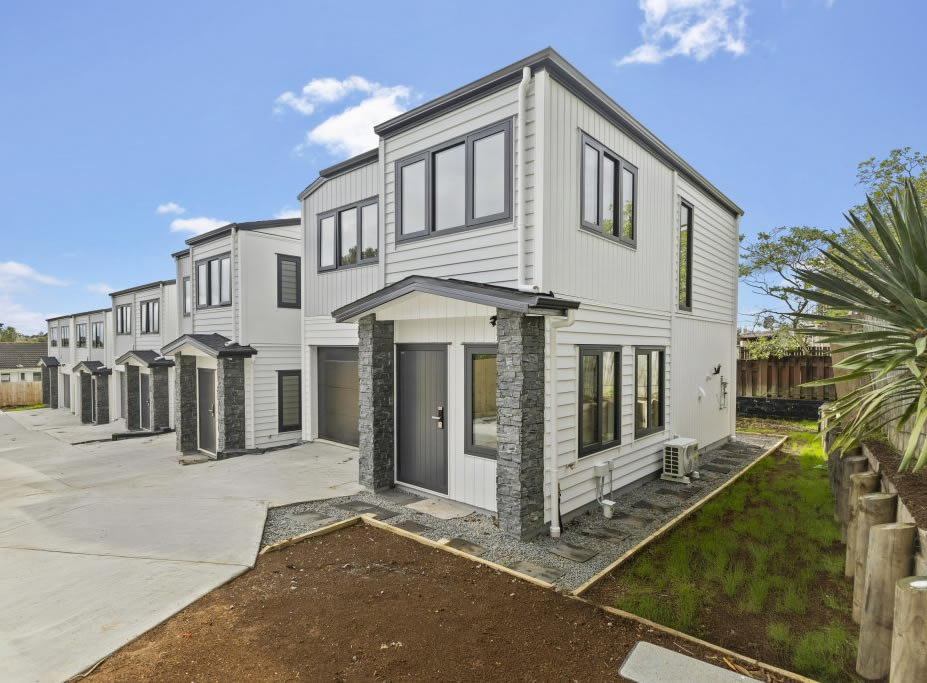
When you look at a proposed development—say, a sleek row of terrace homes or a well-designed duplex—it’s easy to focus on the end result. You see the value. You imagine the sale price.
However, the reality of developing multi-unit homes in Auckland is that the financial journey is just as important as the destination. For 20 years, 3C Homes has been guiding clients through the numbers that sit beneath the surface. If you are considering a project in West Auckland, here is a breakdown of the financial landscape you need to navigate.
1. The Price Tag You See vs. The Costs You Don’t
Many first-time developers make the mistake of focusing only on the “cost per square meter” to build. While construction is the largest line item, it is far from the only one.
When developing a multi-unit site—whether it’s duplex homes, terraced housing, or a block of multi-units—you must account for “soft costs.” These include:
- Council Contributions: Auckland Council charges development contributions to help fund infrastructure like parks and community facilities. For multi-unit homes, these fees can run into the tens of thousands per dwelling.
- Holding Costs: If you own the land outright or have a construction loan, you are paying interest while you wait for consents and during the build. A six-month delay in consenting can significantly eat into your projected profit margin.
- Professional Fees: Surveyors, geotechnical engineers, architectural designers, and planners are essential for a successful subdivision or terrace home project.
At 3C Homes, we help clients map these costs out before we break ground, ensuring there are no nasty surprises halfway through the project.
2. The “Yield” Game
In multi-unit development, your profit doesn’t just come from building cheaply; it comes from yield—the amount of floor area you can build on your site.
The goal is to maximize the number of sellable units without compromising on livability. For example, a site in Glen Eden zoned for “Mixed Housing Urban” might allow for three terrace homes. However, a clever design might reconfigure the layout to allow for four smaller, more affordable units that sell faster, or three larger family homes that attract a premium price.
Our role at 3C Homes is to sit down with your budget and find the “sweet spot” where design ambition meets financial reality.
3. The Construction Contingency
In the current building climate, the price of materials and labor can fluctuate. A financially sound project doesn’t just scrape by; it builds in a buffer.
We generally recommend a contingency fund of at least 5-10% of the build cost. This covers unexpected ground conditions (like finding hard rock when excavating for foundations) or material price hikes. By partnering with an experienced builder like 3C Homes, we use our supply chain relationships to lock in prices where possible, minimizing the need to dip into that contingency.
4. Patience vs. Profit
Finally, understand the timeline. A duplex might take 12-14 months from consent to completion. A larger multi-unit development could take 18-24 months.
The financial reality is that your capital is tied up during this time. However, in the West Auckland market, where housing demand remains strong, the equity gained upon completion often outweighs the patience required.
Ready to run the numbers?
If you have a site you think has potential, contact the team at 3C Homes. We don’t just build structures; we build financial feasibility. Visit us at 10a Westech Place, Glen Eden, to start the conversation.